
The supermarket property industry has witnessed significant shifts over recent years, influenced by evolving consumer habits, technological advancements, and market dynamics. Supermarkets are no longer just retail spaces; they are vital assets in real estate, contributing to both urban planning and economic growth. Here's an in-depth look at the supermarket property industry and how stakeholders are navigating these changes.
The shift in consumer behaviour and its impact
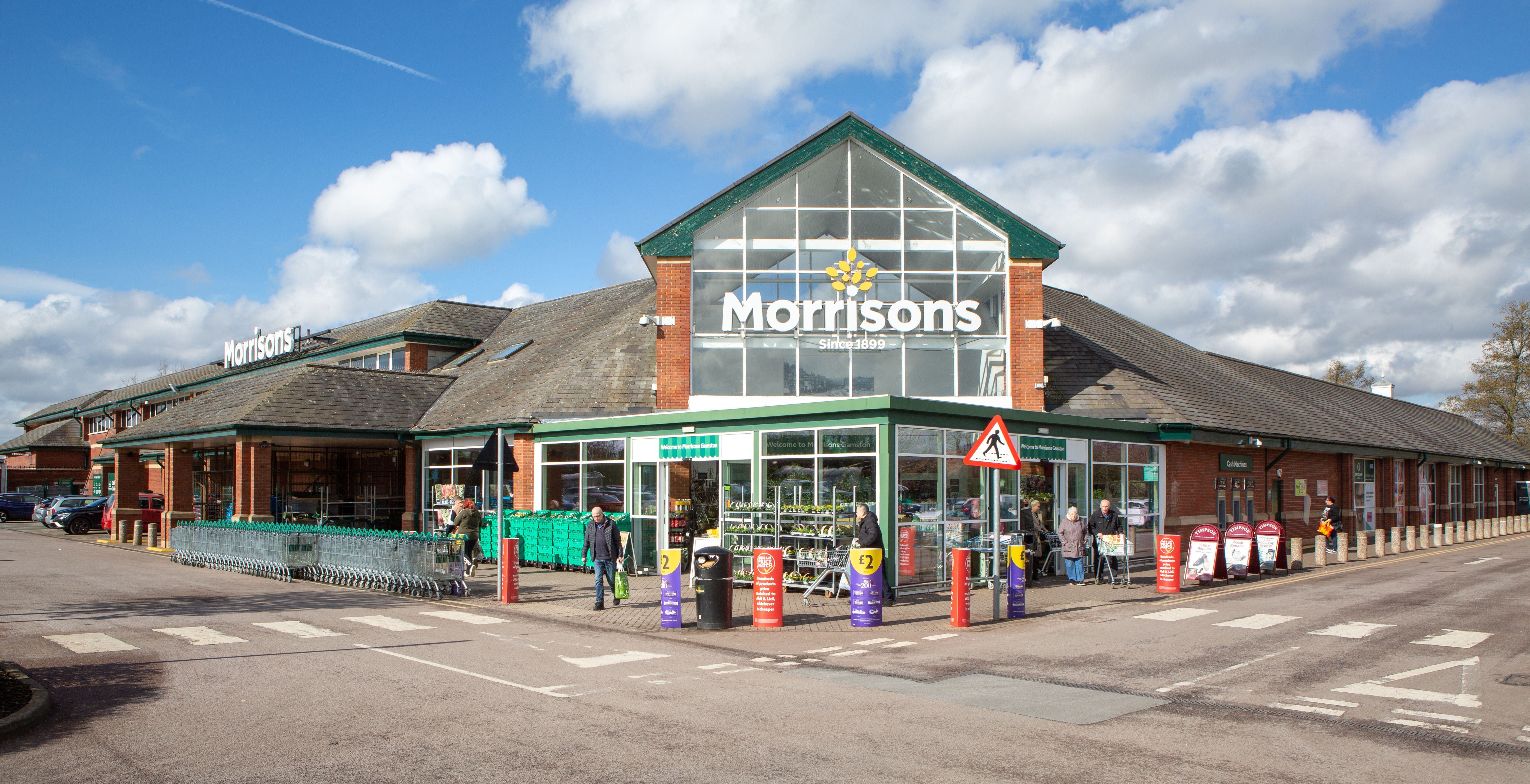
Post-pandemic consumer behaviour has greatly impacted the supermarket sector. With a significant rise in online grocery shopping and home deliveries, many retailers have re-evaluated their physical store portfolios. Larger formats once prized for their extensive product ranges are now being repurposed or resized to align with changing demands.
As the pandemic introduced and expanded online shopping habits, consumers have shifted from in-person grocery shopping to online purchases. This change has prompted supermarkets to reassess their use of space, often downsizing large stores or transforming them into "dark stores"—outlets exclusively serving online orders. In this evolving landscape, supermarkets are adopting hybrid models, combining physical presence with enhanced delivery infrastructure.
Property repositioning and the rise of smaller formats
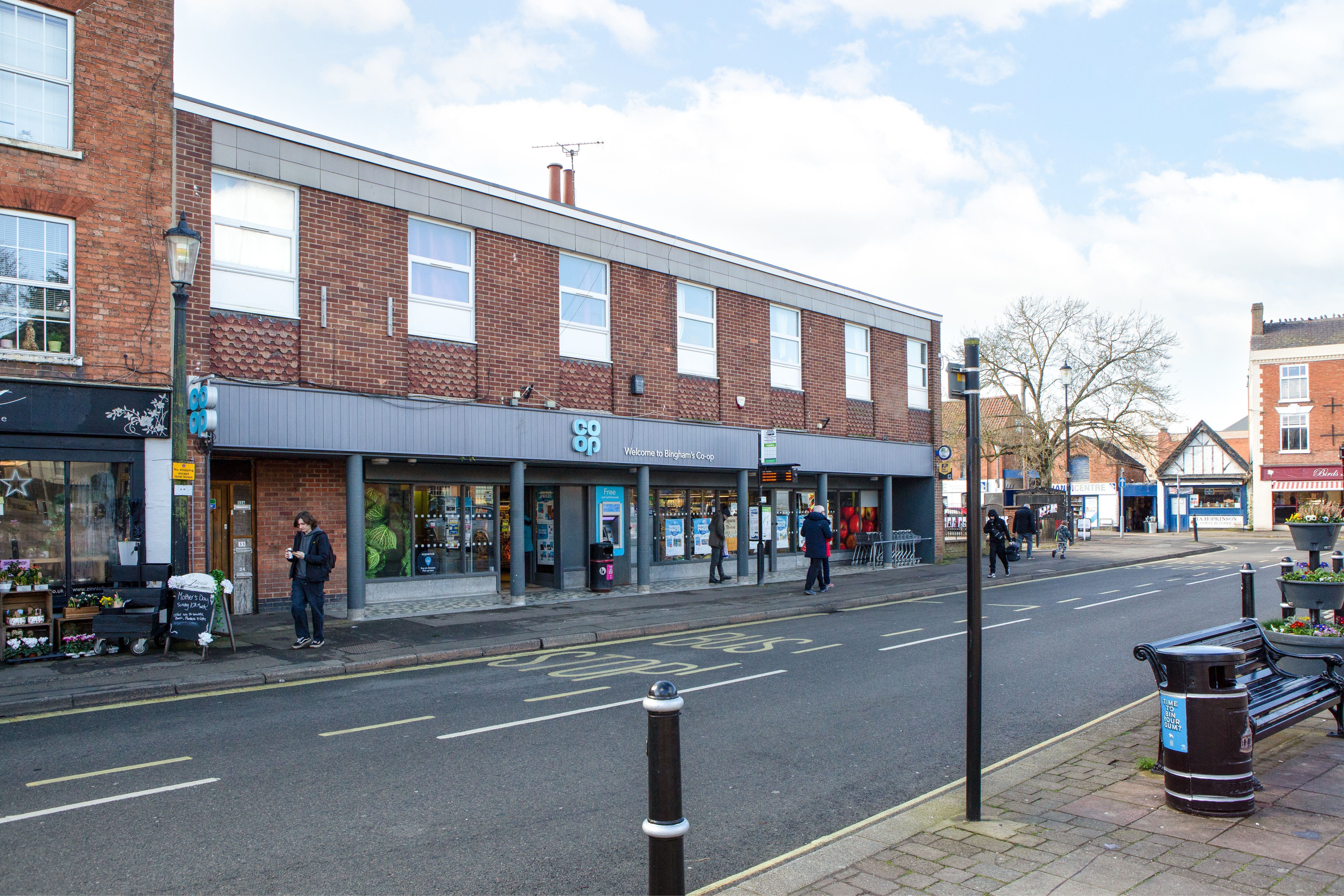
Supermarkets are also rethinking their physical footprints. Larger retail spaces are increasingly being converted to meet other needs, such as logistics hubs or housing developments. One emerging trend is the focus on smaller, more efficient store formats that fit within urban neighbourhoods and cater to convenience shoppers. By reducing store size and optimising layouts, supermarkets can still serve local communities while minimising operational costs.
Additionally, retail giants are embracing more flexible leasing arrangements. As demand for high street presence diminishes, they are exploring opportunities in residential zones and edge-of-town locations that offer lower costs and improved proximity to customers. This flexibility is part of a larger strategy to maintain profitability amidst the growing competition from digital platforms.
The role of technology in maximising property value
Proptech (property technology) is playing a transformative role in the supermarket property sector. Platforms like Nimbus are helping supermarket chains identify optimal locations, assess site potential, and streamline their property management processes. By leveraging data-driven insights, supermarket investors can make informed decisions about site acquisitions, whether for new stores or redevelopment projects.
Technology is also enabling supermarkets to assess opportunities in previously overlooked areas, such as grey belt land—underutilised or vacant spaces between green belt zones and urban developments. These areas offer untapped potential for property development, providing a sustainable option to expand while addressing housing shortages in urban and semi-urban areas.
Off-market deals and strategic acquisitions
The competitive nature of the supermarket property market makes off-market opportunities a key strategy for investors and developers. Unlike traditional, on-market deals, off-market properties offer the chance to negotiate directly with owners, often at more favourable prices. Supermarkets looking to expand or reposition their portfolios are increasingly relying on such strategies to secure prime locations before their competitors.
Moreover, these off-market deals allow supermarket chains to avoid public bidding wars, ensuring that they acquire properties at a value that aligns with their long-term growth objectives.
Sustainability and future outlook
Sustainability is becoming a critical factor in supermarket property development. New government regulations and consumer demand for eco-friendly practices are pushing supermarkets to adopt greener building designs and operational methods. Energy-efficient buildings, renewable energy sources, and sustainable supply chains are now essential considerations for supermarket real estate strategies.
As the industry continues to evolve, supermarkets will need to balance physical store presence with online capabilities, optimise property portfolios, and embrace sustainability. The future of the supermarket property industry is one of innovation, flexibility, and growth through data-driven decisions.
In conclusion, the supermarket property sector is undergoing a significant transformation. With consumer behaviour shifting, technological advancements playing a pivotal role, and sustainability becoming a priority, supermarkets must navigate these changes strategically to thrive in this competitive landscape. The ability to adapt quickly, leverage off-market opportunities, and invest in both physical and digital infrastructure will be key drivers of success in the coming years.

